Cantonal Tax Thresholds Reshaping Progressive Jackpot Structures Across Swiss-Approved Slot Networks
Iris Wolf · Nov 5, 2026
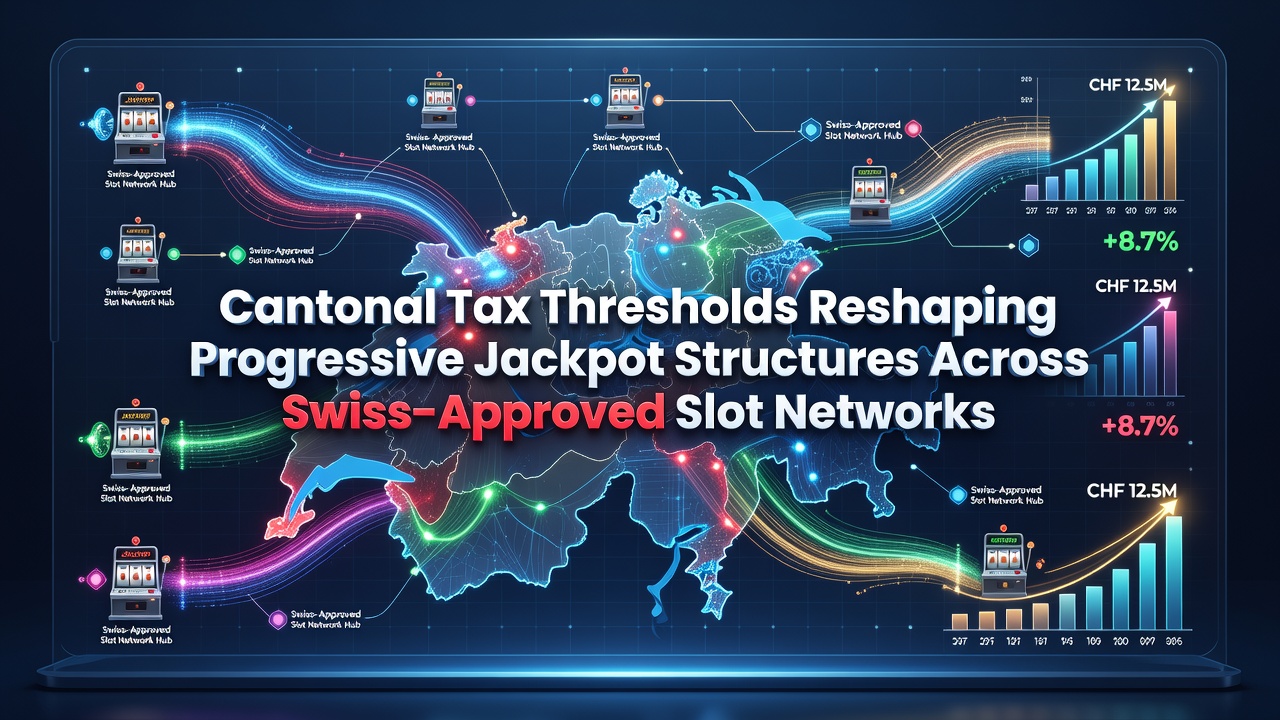
Cantonal Tax Thresholds Reshaping Progressive Jackpot Structures Across Swiss-Approved Slot Networks
Swiss gambling regulations operate under a federal framework that delegates significant tax authority to individual cantons, and this structure directly influences how progressive jackpot pools form and distribute across approved slot networks. Each canton applies its own thresholds on gross gaming revenue, which in turn determines the portion of each wager that operators can allocate to shared jackpot funds. Networks spanning multiple cantons must reconcile these differences to maintain compliant pooling mechanisms that satisfy all participating jurisdictions.
Cantonal Tax Variations and Their Direct Effects
Data from Swiss federal oversight bodies shows that tax rates on slot revenue range from 10 percent in some eastern cantons to as high as 25 percent in western regions, with progressive brackets kicking in at different revenue milestones. Operators therefore adjust jackpot contribution percentages on a per-canton basis to preserve net margins while still feeding the common prize pool. When a high-tax canton raises its threshold, network administrators often reduce the jackpot allocation rate across the entire system to offset the increased liability, which slows jackpot growth but keeps the structure legally viable.
Research indicates that these adjustments occur through automated compliance software that recalculates contribution rates in real time. The software pulls live revenue figures from each connected venue and applies the relevant cantonal formula before the next jackpot increment posts. This process prevents any single location from pushing the aggregate pool into a higher tax band unexpectedly.
Progressive Jackpot Pooling Mechanics Under Multi-Cantonal Rules
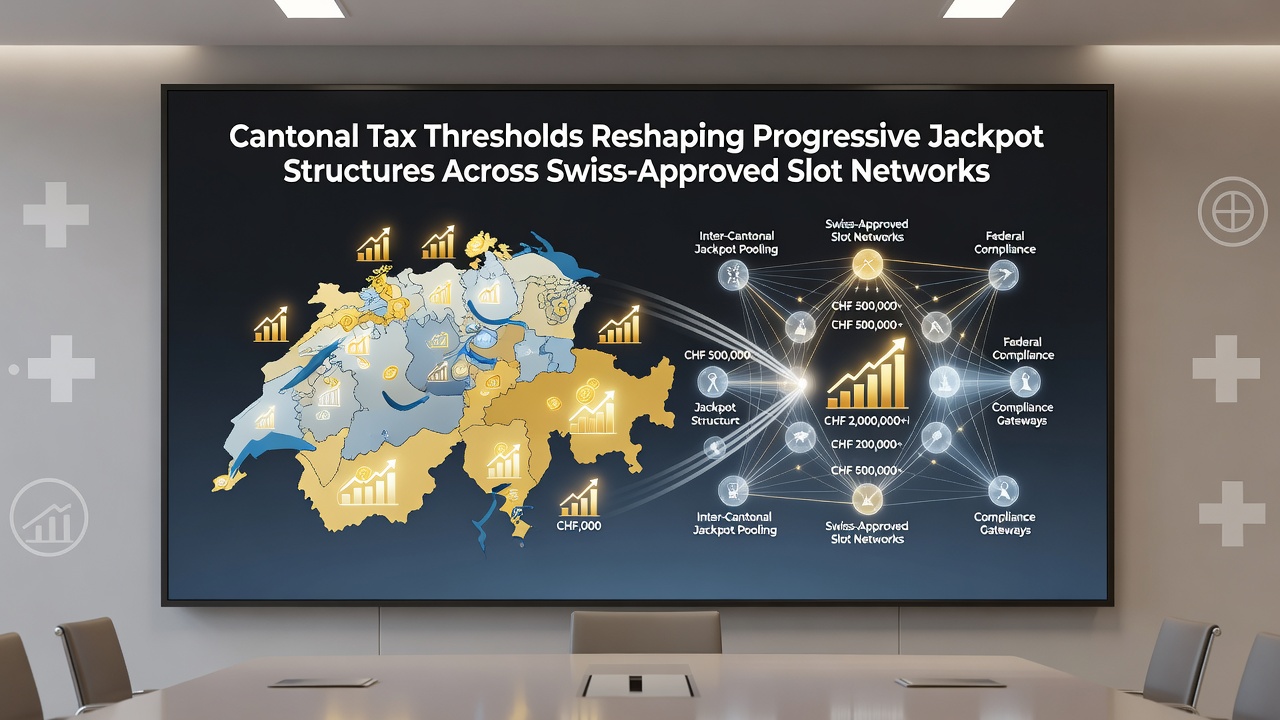
Approved Swiss slot networks typically link machines across several cantons into a single progressive system, yet each machine must still report its activity to the local tax authority. The central administrator therefore maintains separate ledgers for each jurisdiction while merging only the net contributions into the visible jackpot total. When a jackpot hits, payout distribution follows the tax rules of the canton where the winning machine is located, which can create noticeable differences in final amounts received by players depending on location.
Figures from industry reports reveal that networks operating in four or more cantons experienced an average 12 percent reduction in monthly jackpot growth rates during 2025 after several jurisdictions updated their revenue thresholds. These changes prompted operators to introduce tiered jackpot levels, where smaller local pools sit beneath the main network-wide prize, allowing each tier to align with the strictest tax rules in its region.
Developments Observed in Late 2026
November 2026 brought new threshold adjustments in three cantons that collectively host over 40 percent of Switzerland's federally approved slot machines. The updates raised the revenue point at which the highest tax rate applies, prompting immediate recalibration of contribution percentages in linked progressive systems. Network operators responded by publishing revised jackpot seeding schedules that reflect the altered economics, and early data shows these schedules have stabilized growth rates within acceptable compliance margins.
One study released by a European gaming research consortium documented how these November shifts affected player behavior patterns, noting that machines connected to the largest network pools maintained steady play volumes despite the slower jackpot accumulation. The study attributes this stability to transparent communication of the new structures and the continued availability of local fallback jackpots that operate under lower tax bands.
Compliance Tools and Network Architecture
Operators rely on certified software platforms that embed each canton's tax schedule directly into the jackpot engine. These platforms generate daily compliance reports that regulators can audit without accessing proprietary business data. The architecture also includes automatic alerts when projected revenue in any canton approaches a threshold change, giving administrators time to adjust contribution rates before the next fiscal period begins.
According to records maintained by the Swiss Federal Office of Justice, all active progressive networks must submit quarterly reconciliations that detail how tax obligations were calculated and paid across participating cantons. These filings have become more granular since 2025, requiring line-item breakdowns of jackpot contributions by venue and tax band.
Conclusion
Cantonal tax thresholds continue to drive structural evolution in Swiss-approved progressive jackpot networks as operators balance regulatory demands with prize pool viability. The mechanisms developed to handle these variations demonstrate how decentralized taxation shapes centralized gaming systems in practice. Ongoing adjustments, including those implemented in November 2026, illustrate the dynamic relationship between local fiscal policy and network-wide prize architecture.