Charting Cryptocurrency Integration Pathways for Roulette Variant Access Under Multi-Cantonal Swiss Licensing Rules
Ellis Hughes · Oct 9, 2026
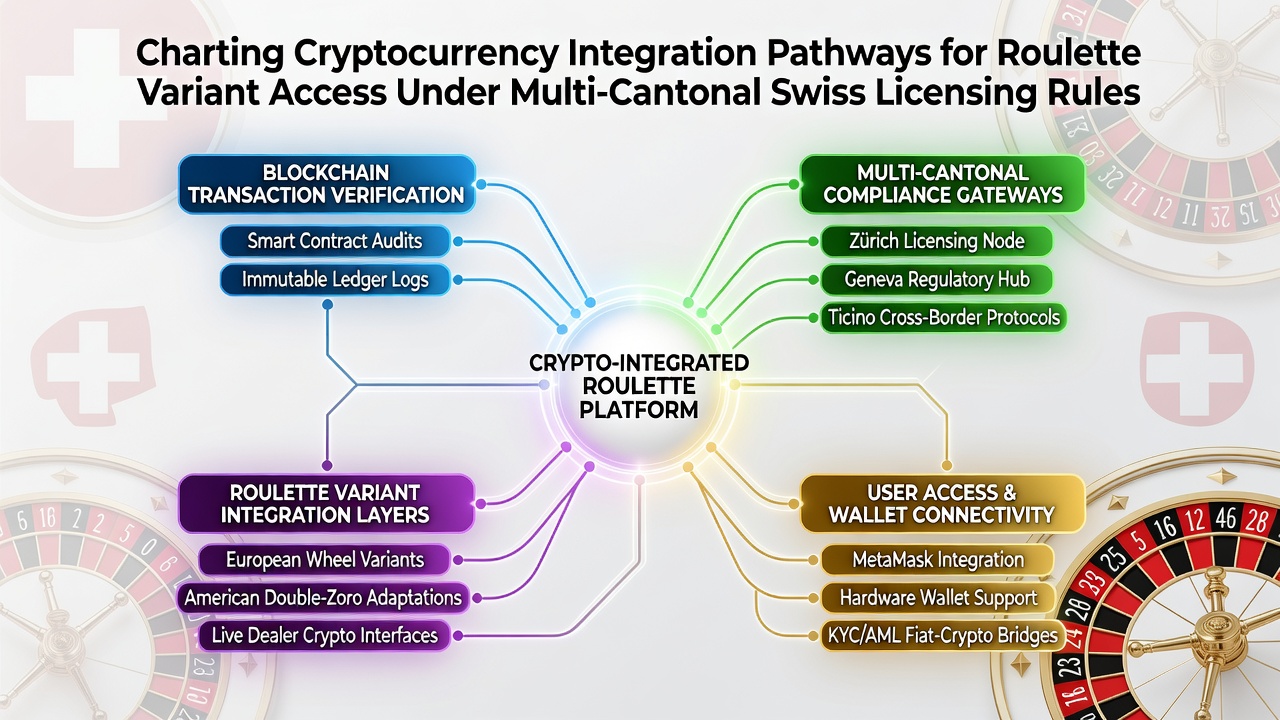
Charting Cryptocurrency Integration Pathways for Roulette Variant Access Under Multi-Cantonal Swiss Licensing Rules
Switzerland maintains a layered regulatory structure for gambling that combines federal oversight with cantonal administration, creating distinct requirements for operators seeking to incorporate cryptocurrency payments into roulette variant offerings. The Federal Act on Games of Chance, enacted in 2019, established the framework under which licensed casinos must operate, while individual cantons retain authority over certain licensing conditions and local compliance standards that affect how digital assets can be integrated.
Federal Foundations and Cantonal Variations
Operators begin by securing a federal concession through the Swiss Federal Gaming Board, which evaluates platform security, player protection measures, and financial controls before any cryptocurrency features receive approval. Cantons then apply additional layers of review that address regional tax obligations, advertising restrictions, and technical specifications for payment processing, resulting in a multi-jurisdictional path that varies across the 26 cantons. Data from the Federal Gaming Board indicates that approvals for new payment methods, including blockchain-based options, require documented compliance with anti-money laundering protocols administered jointly by FINMA and cantonal authorities.
European roulette, American roulette, and French roulette variants fall under the same licensing umbrella, yet each demands separate verification that cryptocurrency wallets meet transaction monitoring thresholds set at both federal and cantonal levels. Operators must demonstrate that wallet integrations support real-time verification of funds without compromising the speed of gameplay or the mandatory cooling-off periods required under Swiss law.
Technical Pathways for Crypto Adoption
Integration starts with selection of approved stablecoins and major cryptocurrencies that satisfy FINMA guidelines on value stability and traceability. Licensed platforms implement multi-signature wallet architectures and automated KYC modules that cross-reference blockchain data with federal identity databases, a process that cantons audit during periodic compliance reviews. In October 2026, several operators completed pilot programs that tested instant settlement rails for roulette stakes, showing reduced processing times while maintaining full audit trails demanded by cantonal regulators.
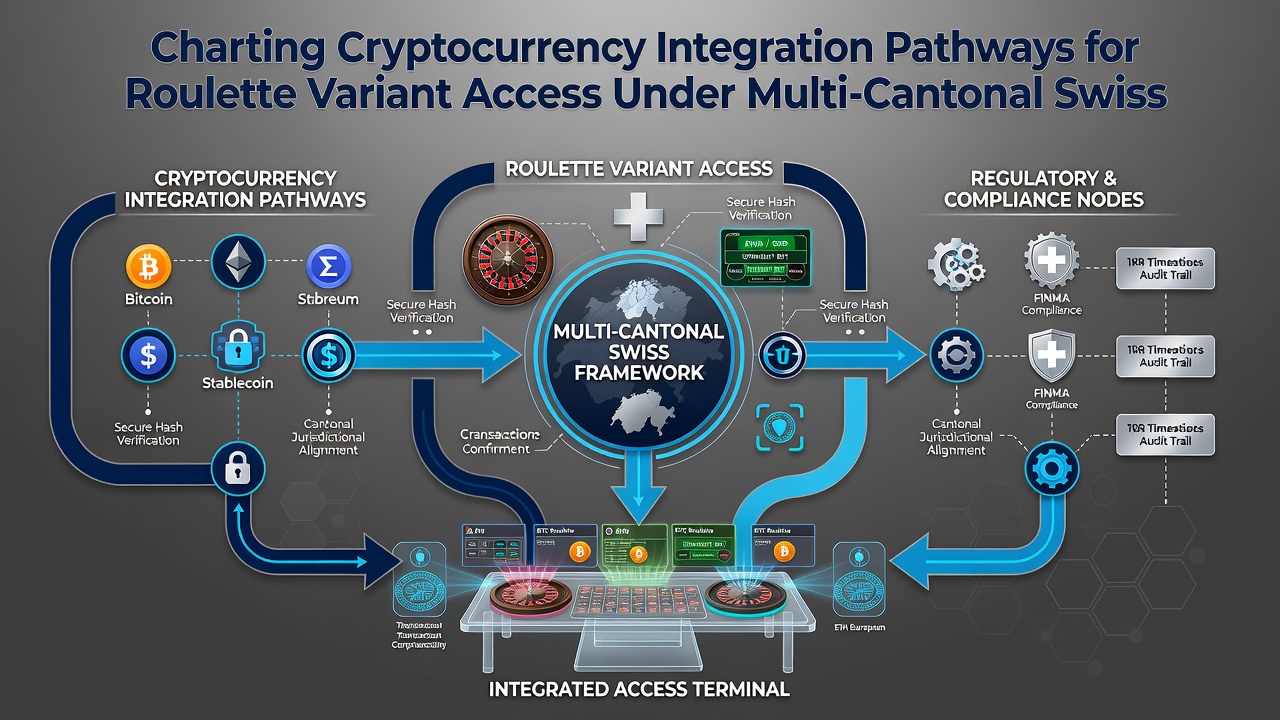
Those who have navigated the approval process note that documentation must include stress-test results for smart-contract interactions, even when operators rely on custodial solutions rather than direct on-chain betting. Cantons such as Zurich and Geneva apply stricter data-localization rules that require transaction logs to remain on Swiss servers, a condition that shapes the architecture of any cryptocurrency gateway.
Compliance Checkpoints Across Regions
According to reports published by the Swiss Federal Council, operators must file separate notifications for each canton where they intend to offer crypto-enabled roulette, even after obtaining the primary federal license. These filings detail the specific cryptocurrencies accepted, the custody arrangements in place, and the mechanisms used to convert digital assets into fiat for prize payouts. Research from the University of St. Gallen highlights that successful applications typically include third-party audits covering both cybersecurity and gambling fairness algorithms.
Payment flows must also align with international standards referenced in Swiss regulations, such as those outlined by the Financial Action Task Force, while still satisfying the more granular requirements imposed by individual cantons. Operators often establish dedicated compliance teams that coordinate between federal reporting deadlines and cantonal inspection schedules to avoid delays in rolling out new roulette variants.
Operational Considerations for Variant Access
Once technical integration receives clearance, operators map how each roulette variant interacts with cryptocurrency balances during live sessions. French roulette, for instance, carries unique betting options that require precise rounding protocols when stakes arrive in fractional cryptocurrency units. Systems must convert and display these amounts in Swiss francs for regulatory reporting, a step audited under both federal and cantonal guidelines.
Training programs for support staff cover the handling of crypto-related player queries, while automated monitoring flags unusual wallet activity that could trigger cantonal review. Figures released by the Federal Gaming Board show steady growth in licensed platforms adopting hybrid payment systems that combine traditional bank transfers with approved digital assets.
Conclusion
Switzerland's combination of federal licensing and cantonal oversight produces a structured yet regionally differentiated route for cryptocurrency integration in roulette offerings. Operators who complete the required federal concession process followed by canton-specific approvals gain the ability to offer European, American, and French variants with crypto payment options, provided they maintain continuous compliance with evolving technical and reporting standards. The pathway continues to develop as new guidance emerges and pilot programs generate performance data that informs future regulatory adjustments.